Brazil destination management

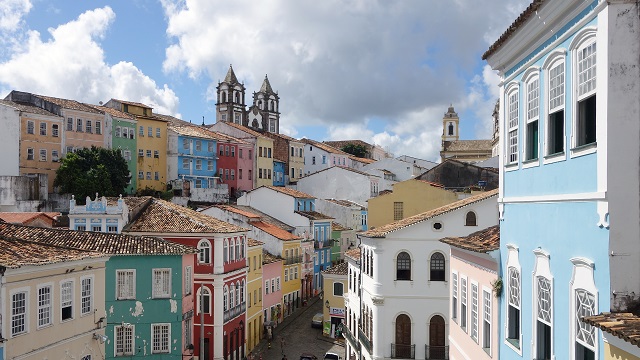
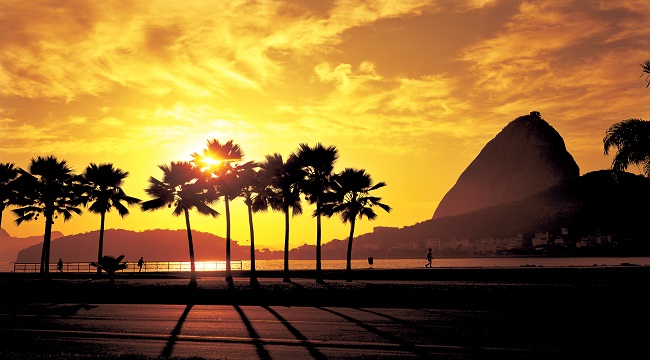
From iconic cities such as Rio de Janeiro and Salvador to endless beaches and natural wonders such as the Amazon rainforest and the Iguaçu Falls, Brazil never ceases to astound. Even so, most visitors agree that it is the warmth and hospitality of the diverse Brazilian people and their intense passion for life that truly flavours the journey.
For those who are not yet fully acquainted with Brazils countless numbers of highlights, finding one’s way in this colossal country may seem somewhat daunting. Ideia Tours makes it easy! From product development to full support with quotes and reservations for individual travellers as well as groups, our experienced team brings creativity and dedication together to enable travel professionals to make the most of this fascinating destination. Our user-friendly website offers exclusive client access to confidential rates, detailed descriptions, and pictures to support your marketing efforts. With our handy product filters, you are assured to find the hotels, services and packages that best reflect the vision of your company.
We passionately believe that sustainability is key to successful destination management and that we need to do all we can to preserve Brazil’s natural world and cultural heritage for our future, and for future generations. From transfer to hotel, excursion to multi-day package, our team works in close cooperation with trusted local suppliers to assemble sustainable and meaningful experiences!